

Hello everyone, my name is Suproja, and I am a postgraduate student studying for an MA in English Literature at the University of Exeter. I am from India, and moving here marked the beginning of a life I had long imagined but never fully understood until I arrived.
Before coming to Exeter, I thought I was prepared. I had read guides, watched videos, made lists, and tried to imagine what life would feel like in a new country. Yet certain experiences do not reveal themselves in preparation. They arrive slowly, in fragments, in quiet adjustments, and in the small realisations that come when everything familiar is suddenly far away. This is not a guide in the usual sense. It is a reflection of those early days and the things I wish I had known before I arrived.
The weather: A quiet kind of uncertainty
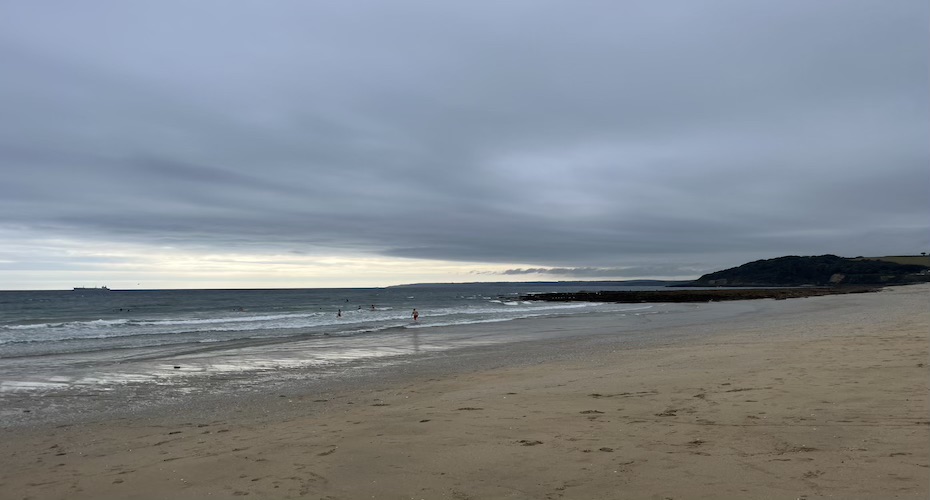
One of the first things you notice in Exeter is the weather, not because it is dramatic, but because it is quietly unpredictable in a way that becomes part of your daily awareness. There are mornings when the sky appears still, soft, pale, and almost motionless, only for rain to arrive suddenly, as if it had been waiting just beyond sight. The rain here does not feel harsh in the way storms do elsewhere. It feels constant, gentle, and persistent, a background rhythm you slowly begin to accept.
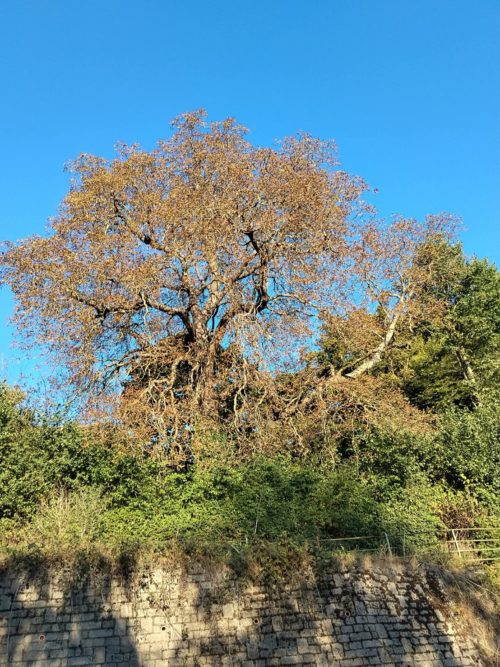
At first, I tried to understand it, to predict it, to prepare for it in advance. But I soon realised that the weather here does not respond to preparation. It requires adaptation instead. You begin to carry an umbrella not because it is raining, but because it might. You start checking the sky without certainty. You dress in layers. Without realising it, the weather stops being something you react to. It becomes something you live alongside. A shifting presence that teaches you how to adjust without resistance.
What to pack (and what you learn you don’t need)
Packing for a new country feels like trying to prepare for every possible version of your future self. You stand in front of open suitcases and begin to imagine situations you have not yet lived: cold mornings, unfamiliar routines, moments of loneliness, moments of excitement. So you pack more than you need out of reassurance. What I realised after arriving is that much of what we pack is tied to the idea of control. We believe objects will create comfort. We believe preparation will reduce uncertainty.
Yet life here has taught me otherwise. Some things remained untouched in my room for weeks. Some things felt less important once I began living my daily routine. And some things I never packed, simple, everyday items, became unexpectedly essential. Warm clothing became more practical than stylish clothing. Comfortable shoes were more important than formal ones. I began to understand that I wasn’t bringing my entire life with me, I’m rebuilding it here, piece by piece.
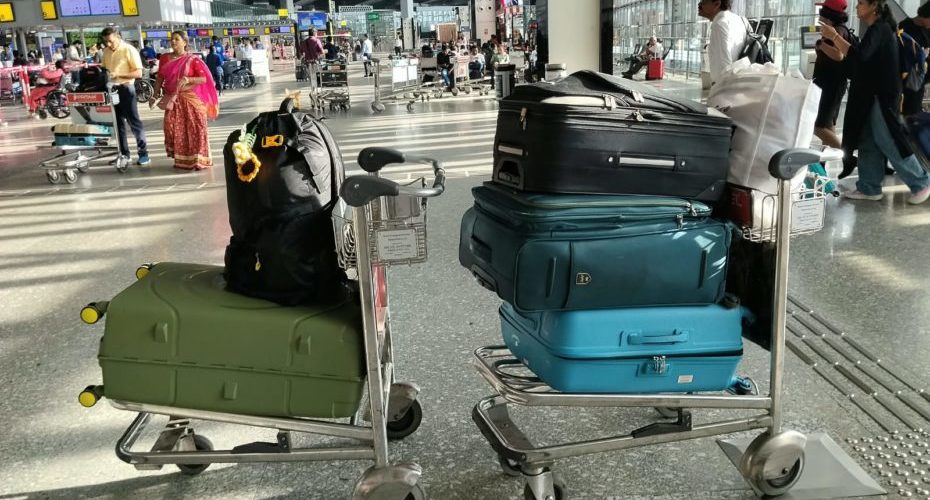
There is also something very practical that only becomes clear once you begin packing for real. Most airlines allow around 23kg of checked luggage and a 7kg cabin bag, and it is surprisingly difficult to carry too much luggage on your own, especially if you are travelling without family. Because of this, I realised it is always better to pack less. Fewer summer clothes and more winter clothing make sense, because in Exeter it feels like winter for more of the year, with long stretches of cold, rain, and grey skies.
You also don’t need to bring everything with you. In Exeter, you can find affordable and practical clothing in places like charity shops, Hospiscare stores, or Primark, and slowly build your wardrobe again. The University of Exeter also encourages sustainability through initiatives like “Gift It, Reuse It”, where students can donate and collect useful items instead of buying everything new. There is something comforting about reusing, rediscovering, and reshaping what you own in a new place. Even everyday items like pans, plates, cups, and basic utensils can easily be bought here rather than carried across continents.
Packing, I realised, is about trusting that you will learn as you go.
Friendship: The slow geography of belonging
If there is one thing I wish I had understood earlier, it is that friendships can take time. Back home, connection often felt immediate to me, shaped by shared language, shared humour, and an instinctive cultural understanding. Here, everything unfolded more slowly. I was surrounded by people every day, yet most conversations remained brief, polite, and contained within the moment. There was warmth, but not yet familiarity.
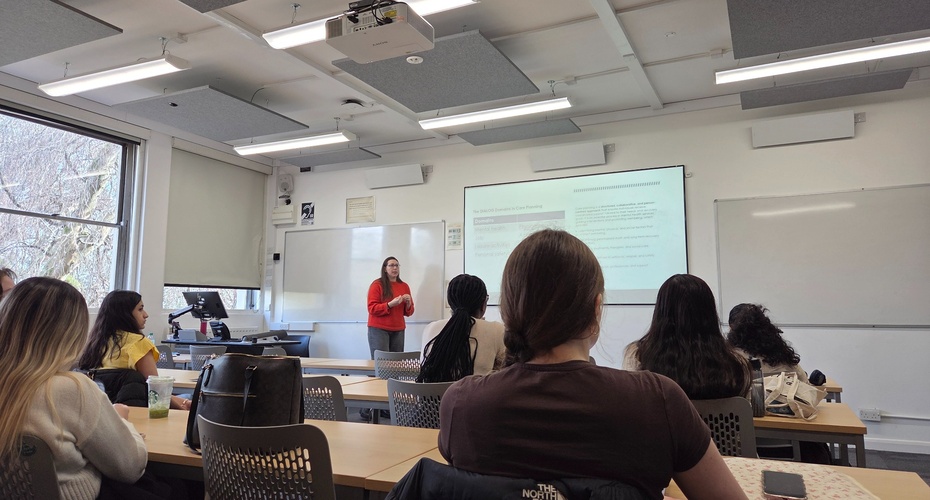
I would exchange smiles before lectures, small greetings in corridors, or short conversations after seminars, but everything still felt tentative, as though we were all quietly testing the shape of each other’s presence. I often sat in lecture halls or common rooms watching friendships form around me before I felt fully part of them. At times, that slowness felt like absence. There were evenings when I returned to my room feeling strangely lonely despite having spent the entire day surrounded by people.
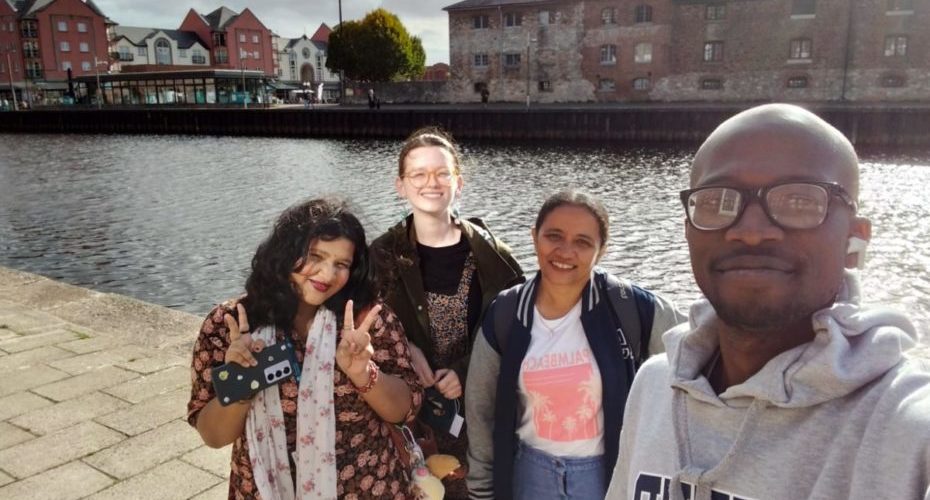
But gradually, the texture of everyday life began to shift in ways I barely noticed at first. One particular friendship began through something very small: sitting beside the same person repeatedly in seminars. At first, we only exchanged passing comments about readings or deadlines. Then our conversations began extending beyond class. We started walking back together after seminars, stopping for coffee, laughing about things that had nothing to do with university at all. Slowly, without any dramatic moment marking the change, that person became part of the rhythm of my week.
I began recognising how friendships are often built quietly through repetition rather than immediate closeness. And because they form slowly, they can feel deeply intentional and grounded, shaped over time rather than created all at once.
Distance: Learning to carry home differently
Distance is not always something you see. It is something you feel. It is in the silence after a video call ends, when the room feels slightly emptier than before. Food that sparks a memory. Conversations that stretch across time zones and arrive slightly delayed in emotion.
At first, distance feels like separation. Like something missing, something incomplete, something waiting to be returned to. There are moments when even ordinary days feel slightly displaced, as though you are moving through time without fully belonging to it. But slowly, it becomes something else. Home does not disappear when you move away. It exists differently. It becomes something you carry with you. It appears in memories that surface unexpectedly, in habits that follow you across places, in language that shapes how you think, in the quiet ways you hold your own identity.
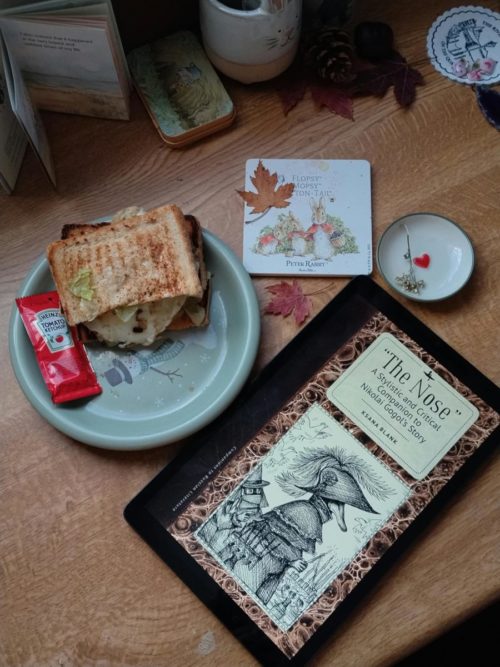
I’ve come to realise that distance does not erase home; it reshapes it, gently, continuously, until it becomes part of how you move through the world.
The geography of everyday life
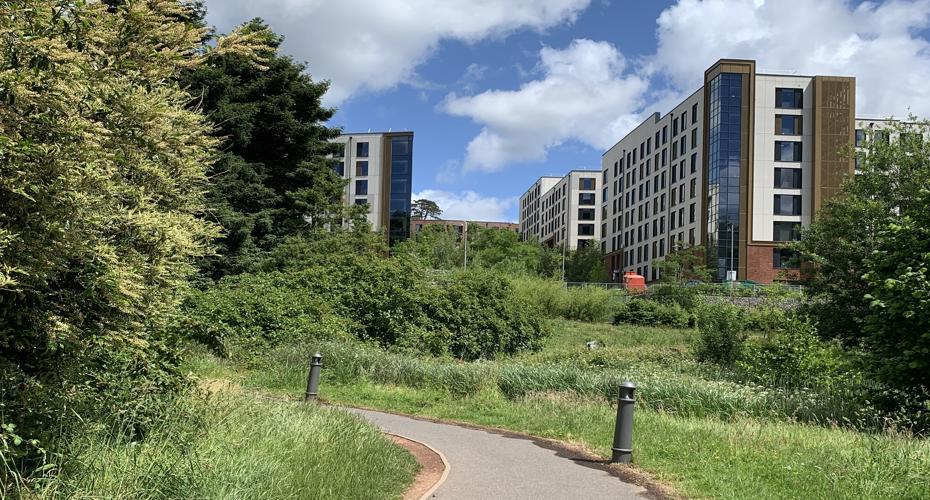
Exeter itself adds another layer to this feeling in ways I did not expect. It is a small city, but not flat in the way I had imagined. It is quite hilly, and this is something I did not fully understand before arriving. The first few days feel like learning a new geography with your body, walking up slopes that seem to appear suddenly, adjusting to inclines that change the rhythm of your steps, discovering how even short distances can feel longer when the ground rises and falls unexpectedly.
As familiarity grows, the city begins to open itself up. Buses and trains are everywhere, connecting different parts of Exeter and beyond, making movement feel surprisingly accessible despite the hills. What once felt unfamiliar turns into something instinctive. You begin to recognise patterns without trying, like the timing of buses and the repetitive rhythm of travel. The journey to campus, the return home, the in-between spaces, all of it becomes part of your internal map of the city.
Shops, too, are always within reach, scattered across Exeter like small points of everyday familiarity. If you live near Birks Grange, Cook Mews, or around the Exeter One area, Morrisons might become your regular stop for daily essentials. Over time, you also notice small but meaningful differences in pricing between smaller local shops and those in the city centre. These details can shape how you plan, how you spend, how you move through the week. And somehow, these small details matter. They’re part of the practical, lived experience of moving through a place that is no longer entirely unfamiliar, yet not fully your own.
Safety: A different kind of calm
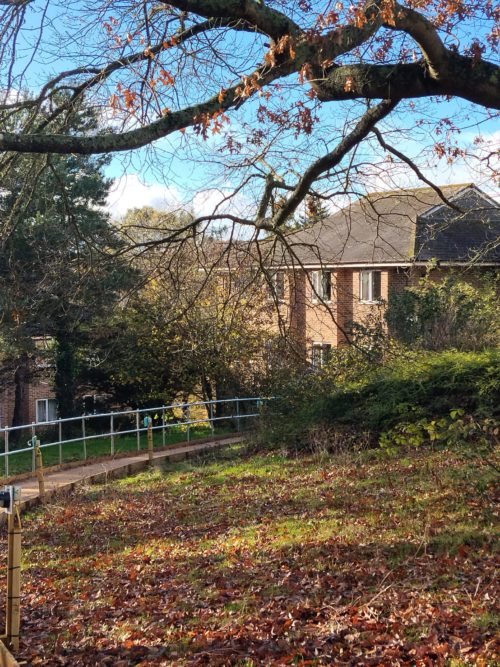
There is a quietness in Exeter that takes time to recognise. It is present in the way the streets move at an unhurried pace, in the absence of noise that feels overwhelming, in the sense that the city does not demand constant alertness from you. Even in the evenings, there is a softness to the environment, the glow of streetlights, the occasional passing figure, the sound of footsteps fading into the distance rather than urgency.
At first, this calm might feel unfamiliar. But gradually, it settles into something reassuring. You walk more freely. You move through spaces without tension. You begin to trust the environment around you in a quiet, steady way.
Independence also brings a new kind of responsibility. Coming from a context where everyday movement often required greater caution, I was surprised by the sense of safety I experienced in Exeter. Of course, it is still important to stay aware of your surroundings and make sensible decisions, but that type of awareness feels less like a constant necessity and more like a natural part of daily life. In that balance between ease and awareness, there is a quiet transformation. You do not become less careful; you become more confident in your ability to navigate the world on your own terms.
Routine: The quiet construction of a new life
Life here is not shaped by big, dramatic moments. It is shaped by repetition. It is shaped by the same walk to campus, through streets that once felt unfamiliar. It is shaped by familiar bus stops where waiting no longer feels uncertain. It is shaped by shops you return to without thinking, by familiar aisles, by small purchases that begin to define your everyday life. It is shaped by paths that your body begins to remember before your mind even notices.
At first, everything feels temporary, as though you are passing through a space that does not yet belong to you. Even your daily routine feels like something borrowed, something still forming at the edges. But repetition has a quiet way of changing perception. Routine creates familiarity. Familiarity creates comfort. And comfort creates a sense of place.
You recognise patterns in your days, not because they are identical, but because they feel anchored. Morning light through your window, the rhythm of walking uphill toward campus, the return journey when the sky shifts colour in ways you start to anticipate. These moments, repeated often enough, begin to build something steady beneath you. And then, one day, you begin to recognise your life here – not as something new, but as something you are actively living, shaping, and belonging to.
What slowly becomes home
Moving to Exeter is not a single transition, but a gradual unfolding. It is a series of small adjustments that reshape the way you move through the world. It happens in the way you learn to live with changing weather, in the way friendships form quietly over time, in the way ordinary routines begin to feel familiar.
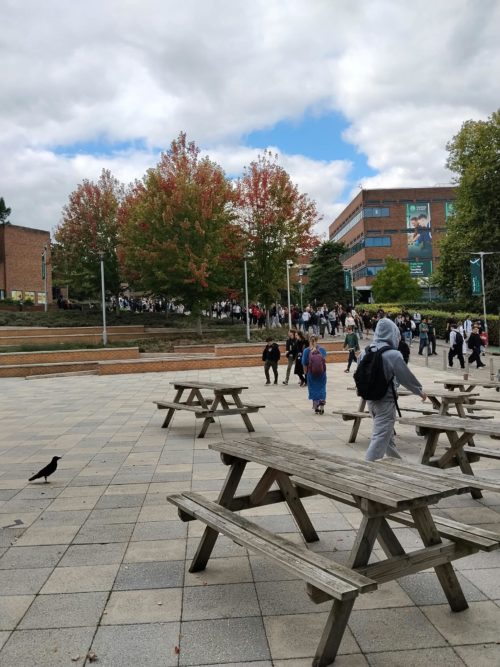
And somewhere in that unfolding, without a clear beginning or end, the unfamiliar starts to feel like something you are learning to call home, not in a sudden moment of realisation, but in fragments, in repetition, in quiet understanding.